
response to gaza
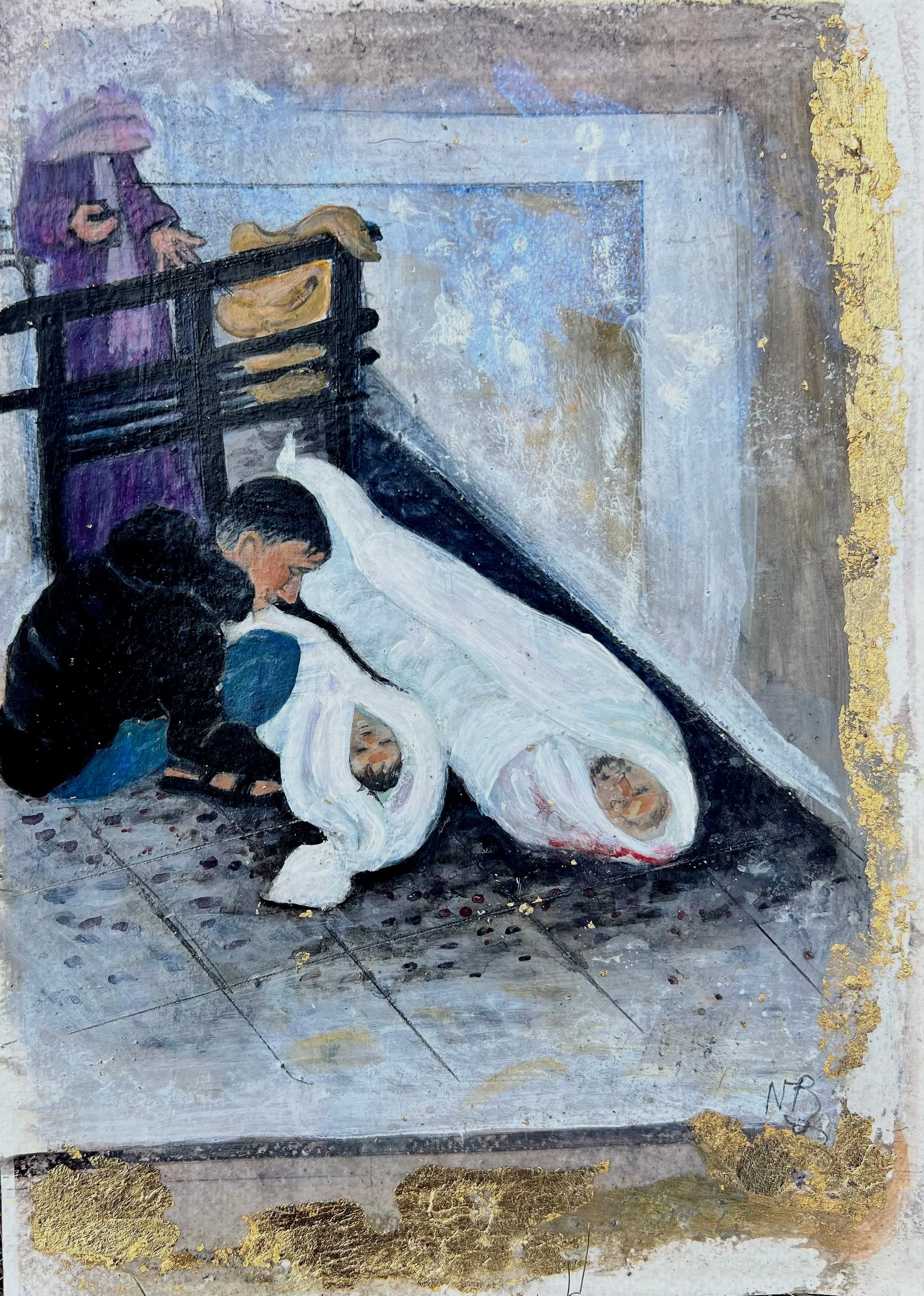
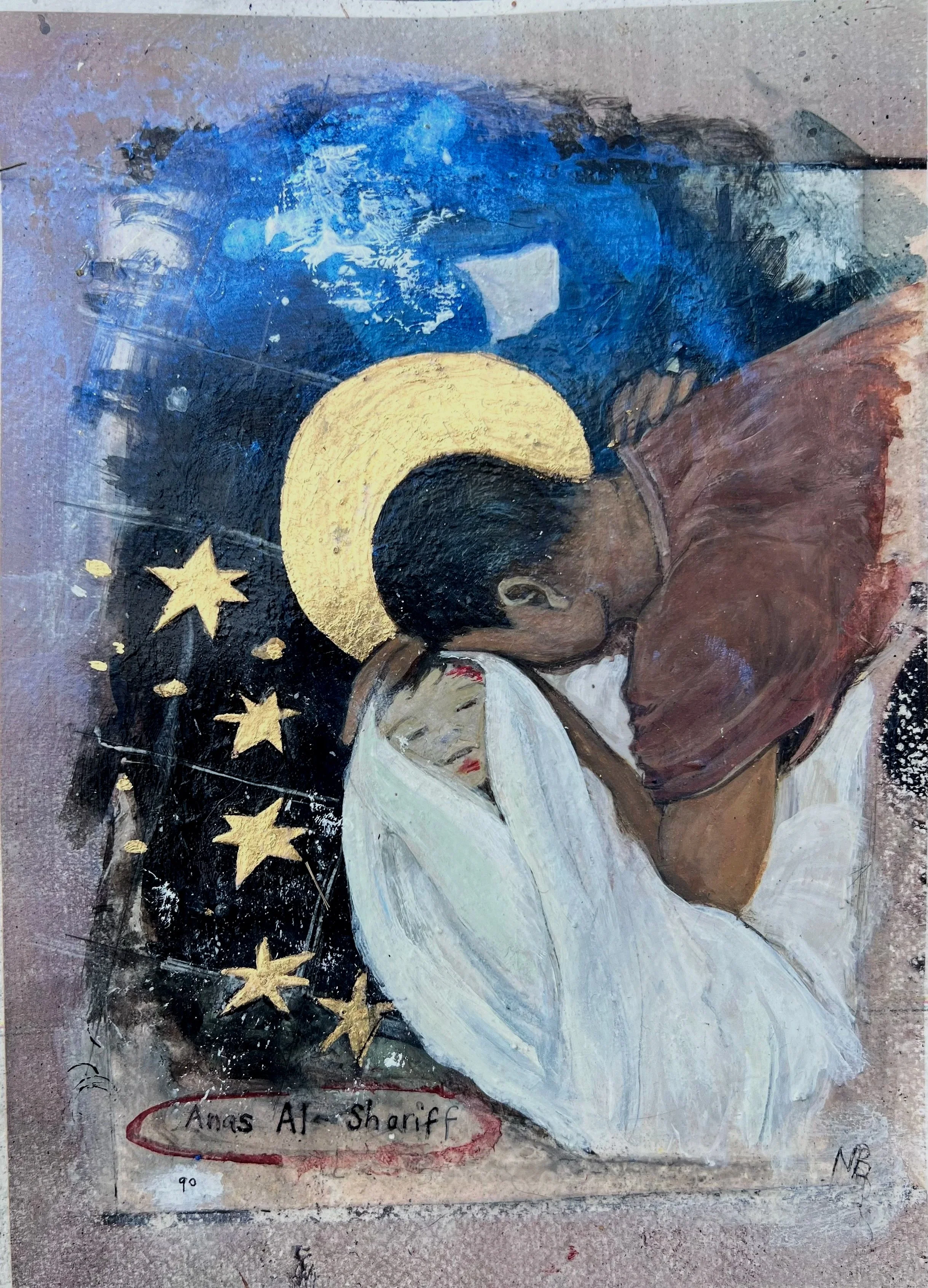
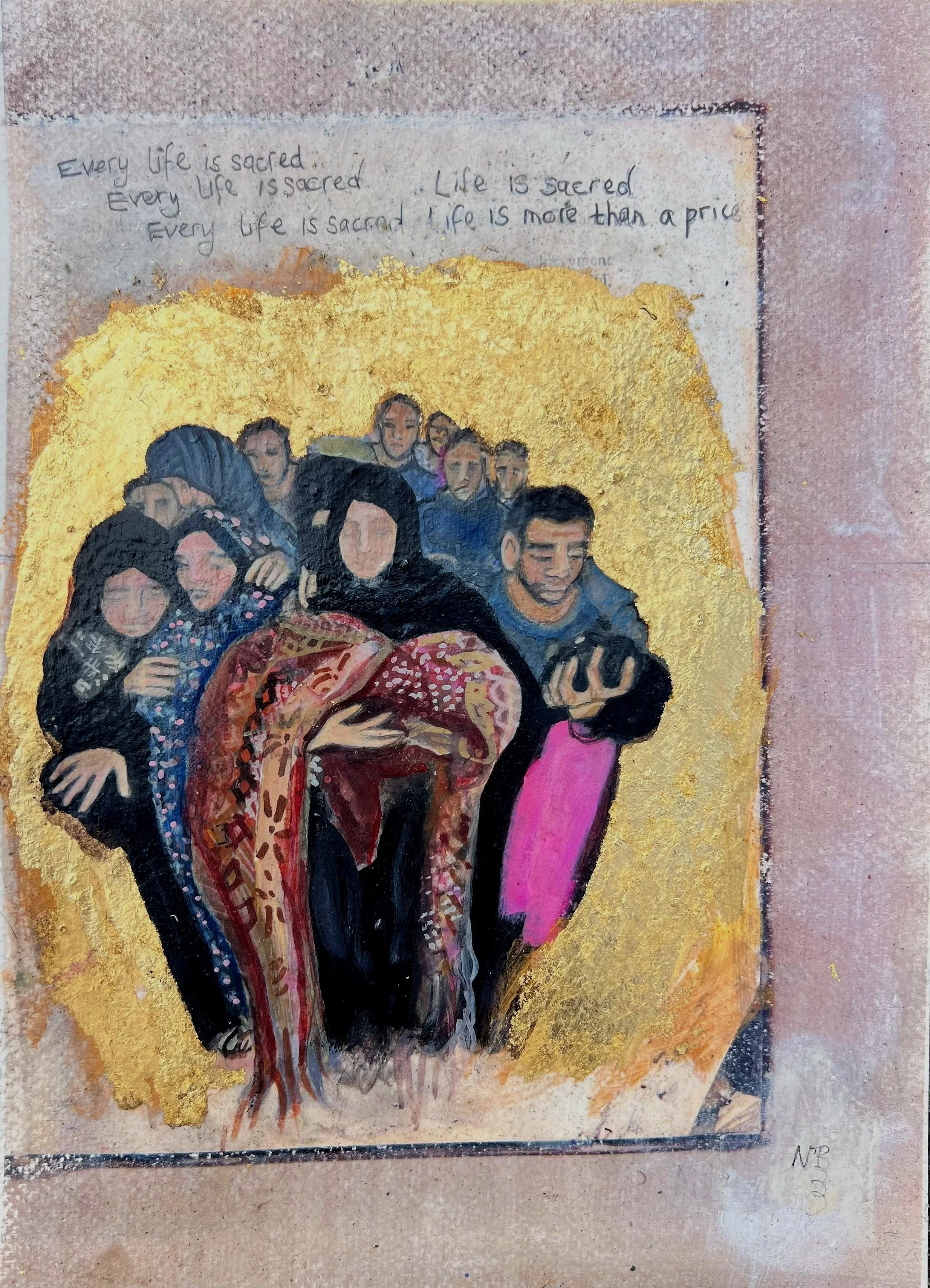
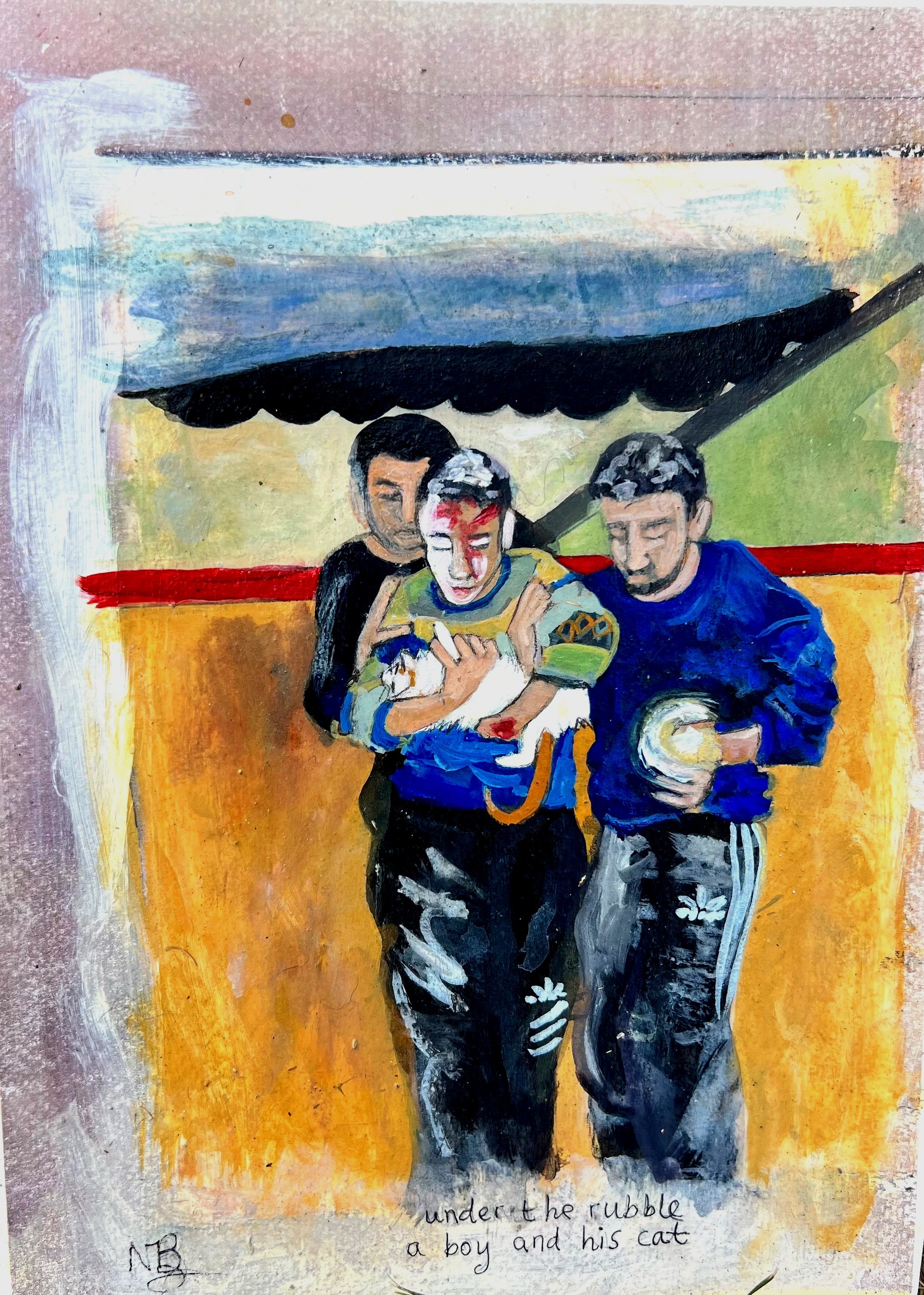
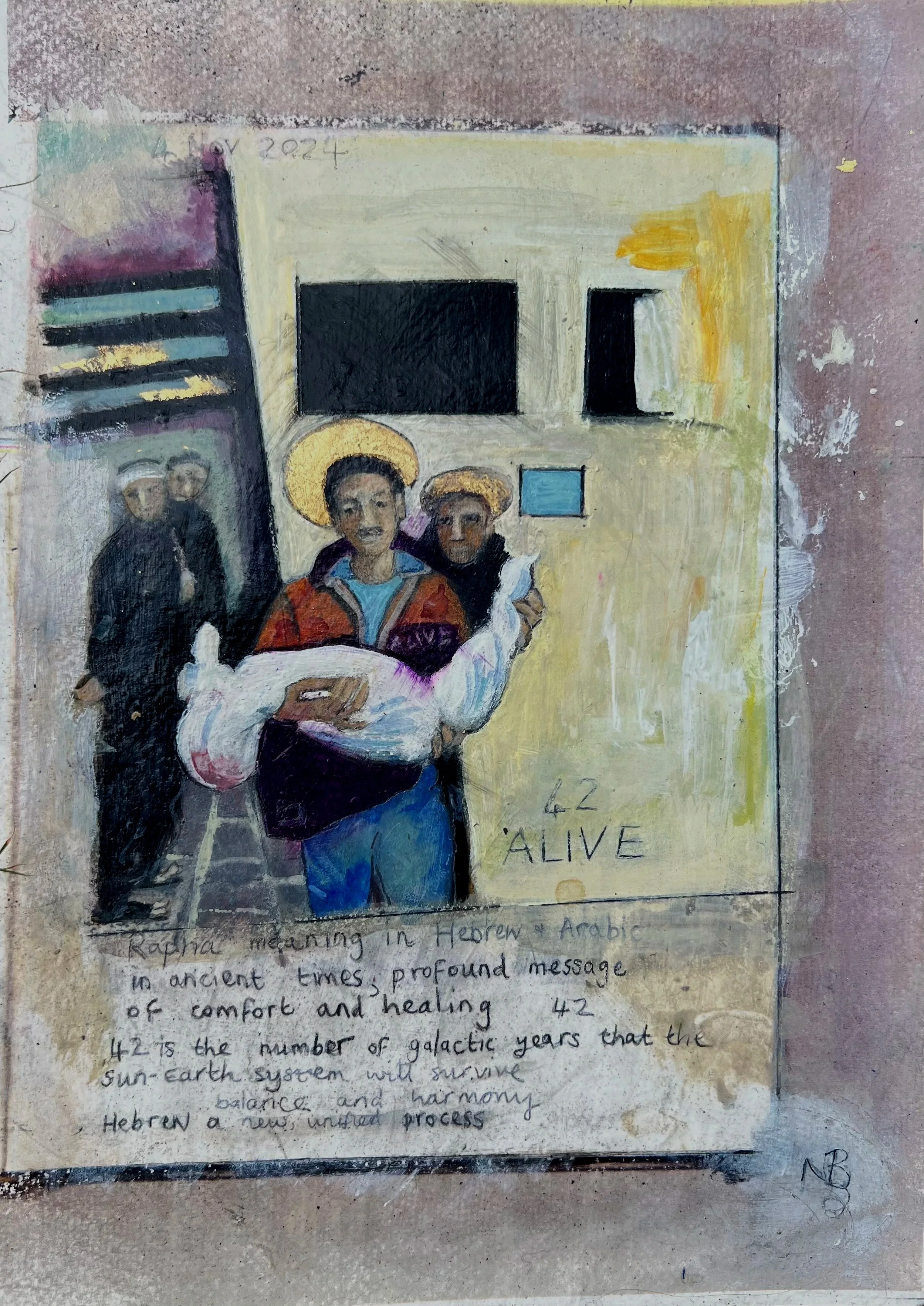
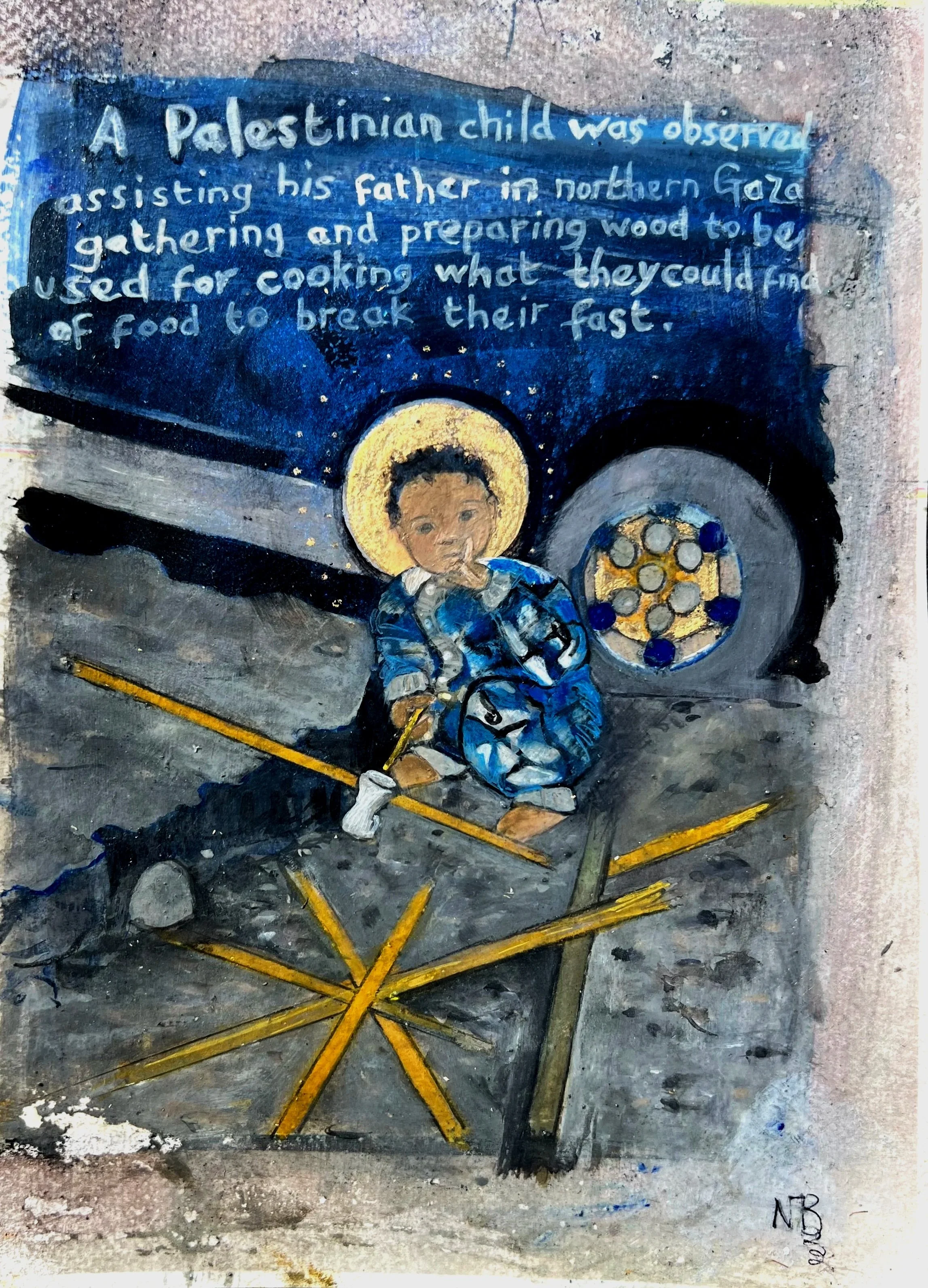
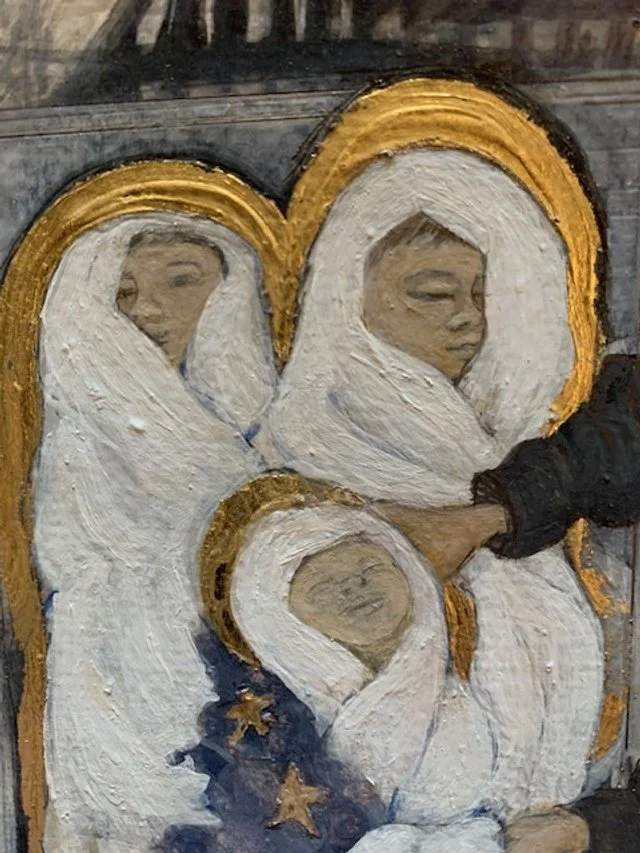
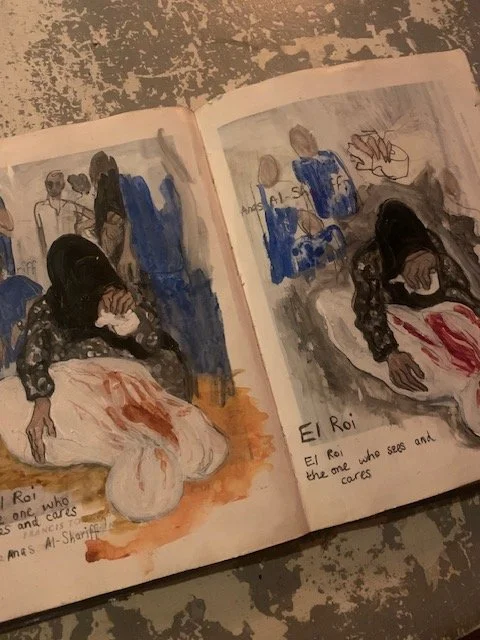
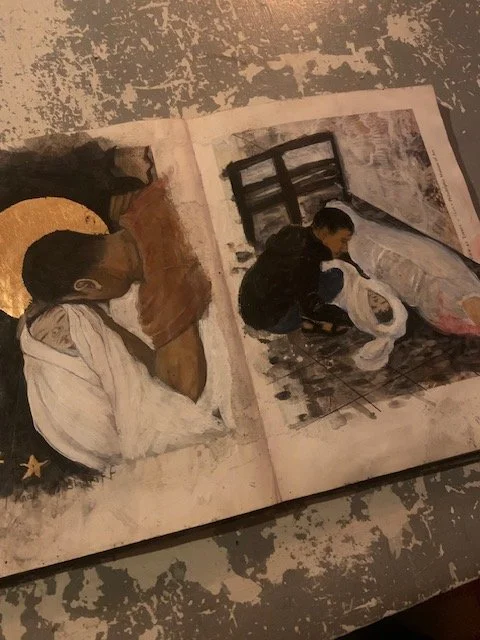
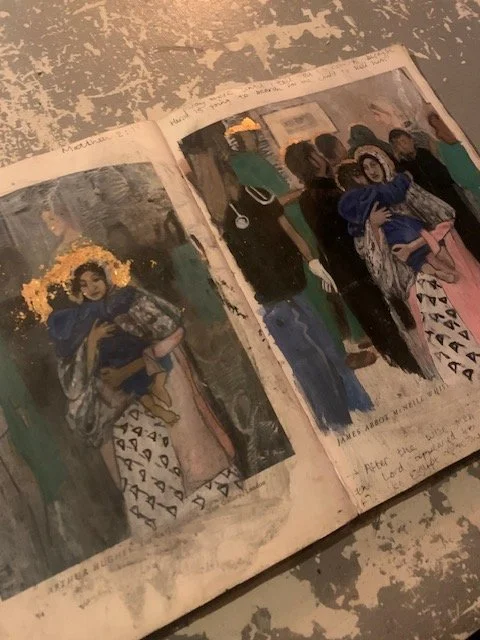
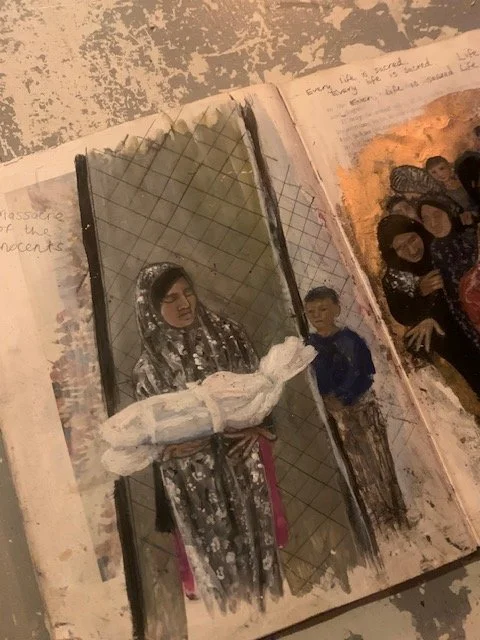
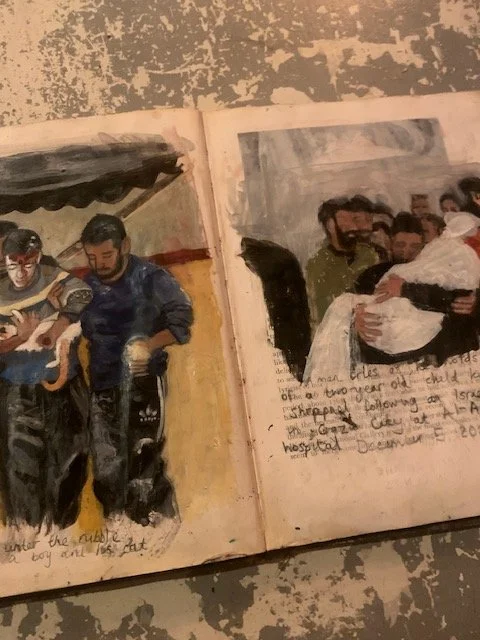
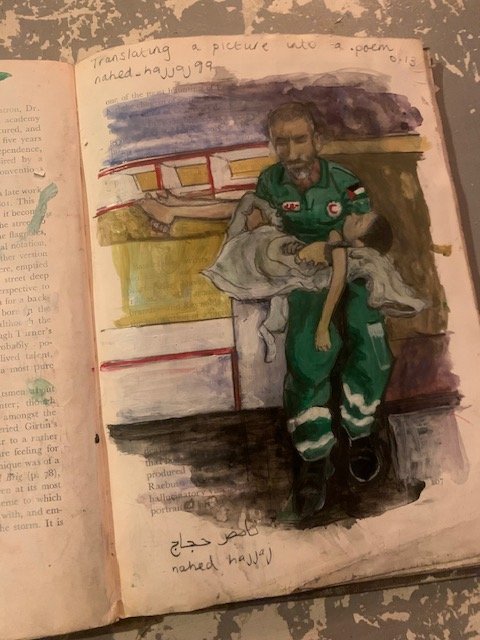
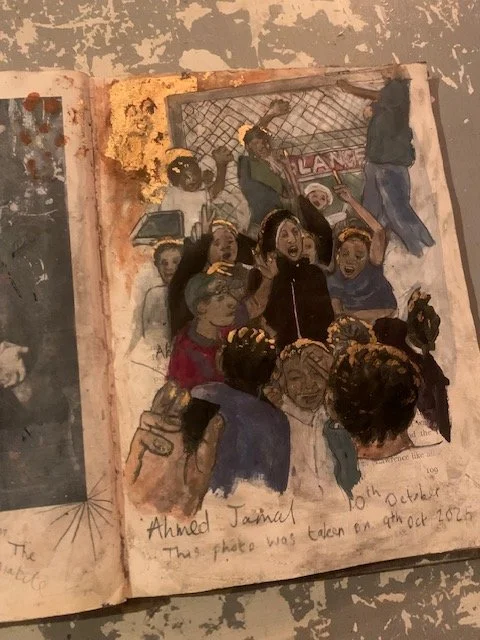
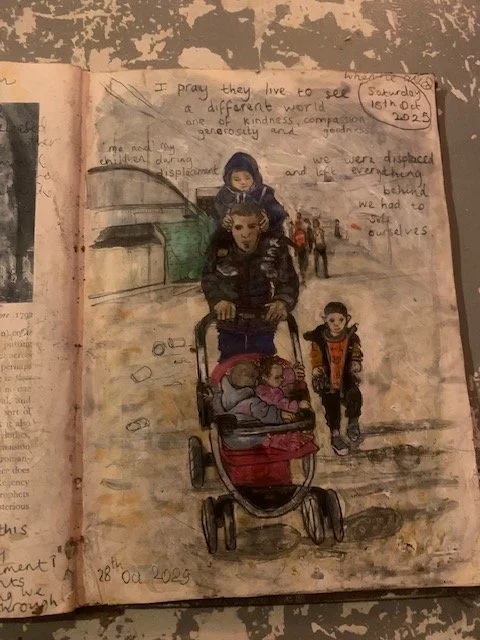
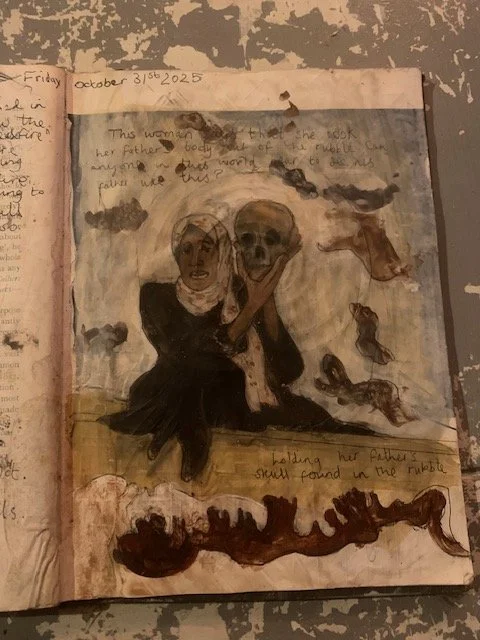
I had a visceral reaction to the footage that was coming across the screen, feeling helpless to do anything. Observing lives being treated as garbage made me respond by turning the narrative on its head. Holding the humanity of the people by drawing and painting them with dignity. They reminded me of religious, illuminated scriptures. I wanted to be a witness to life as sacred, each person a soul, life as precious.
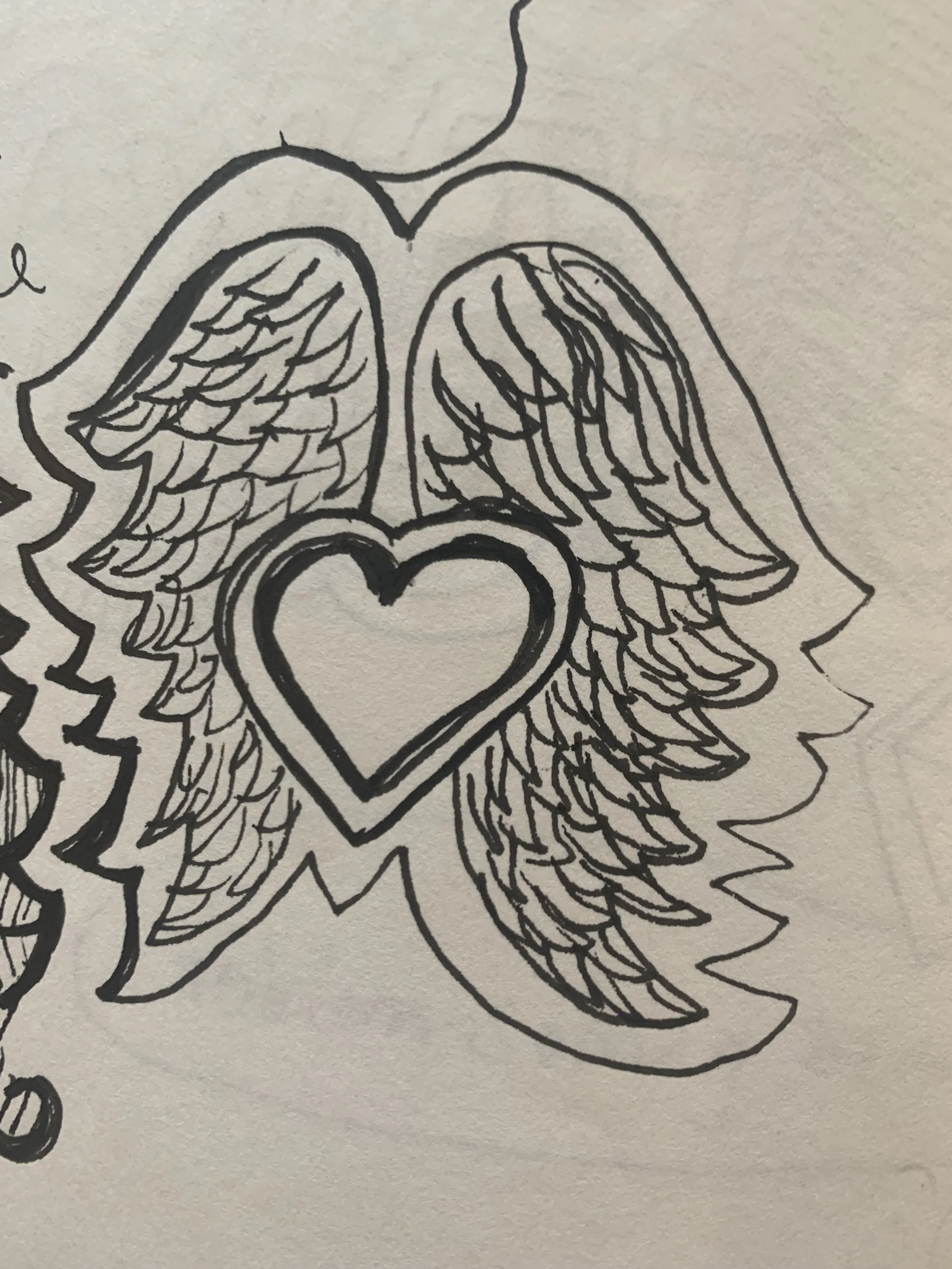
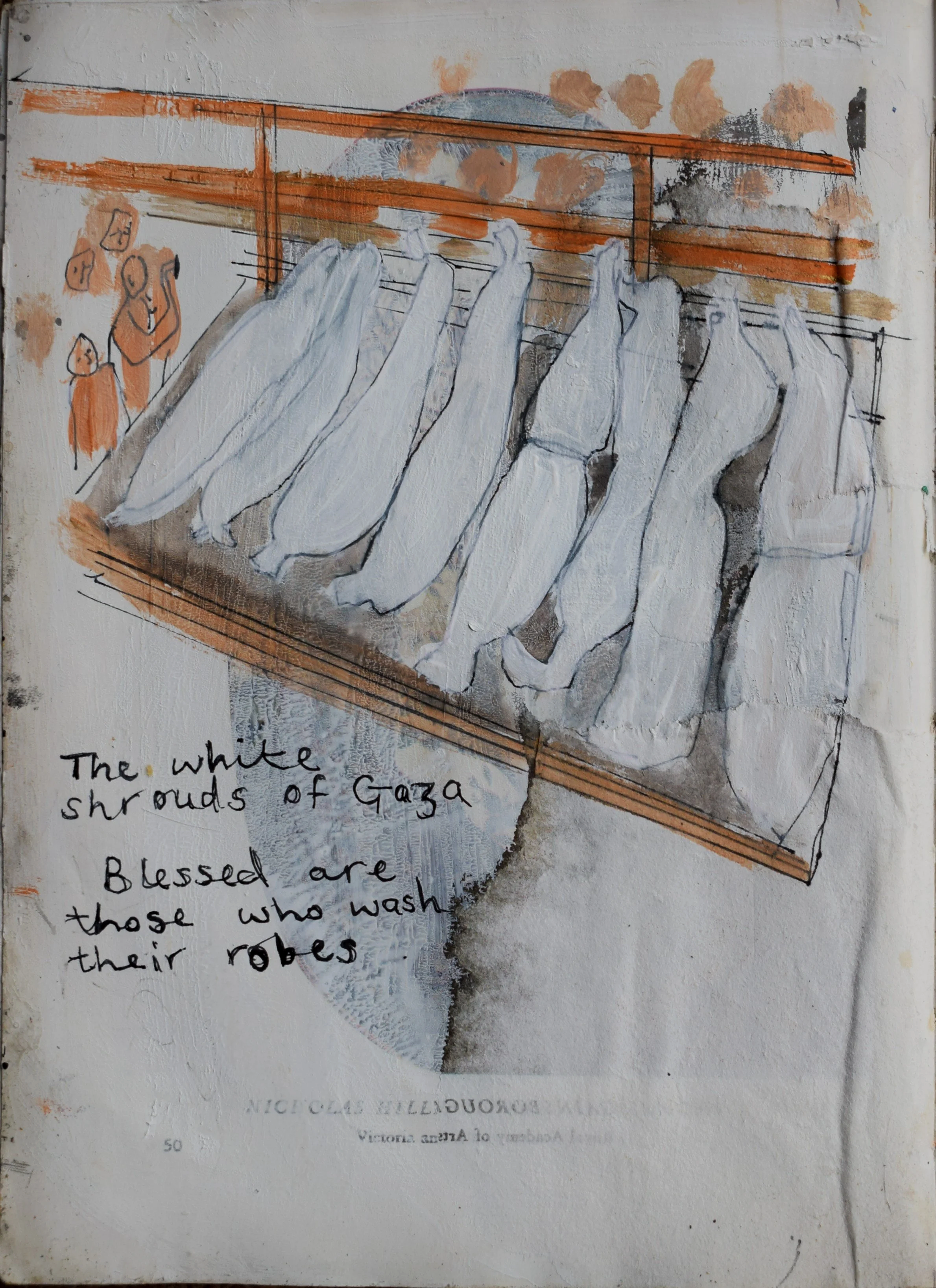
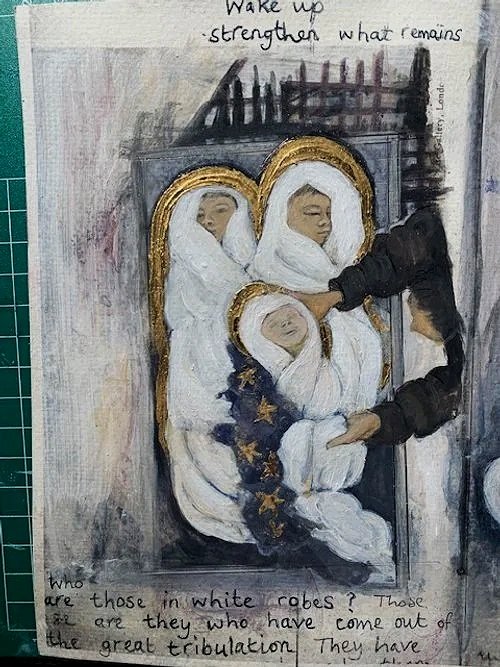
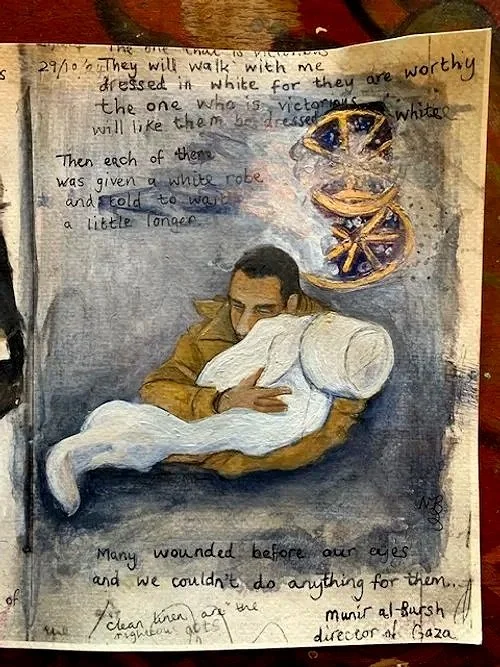
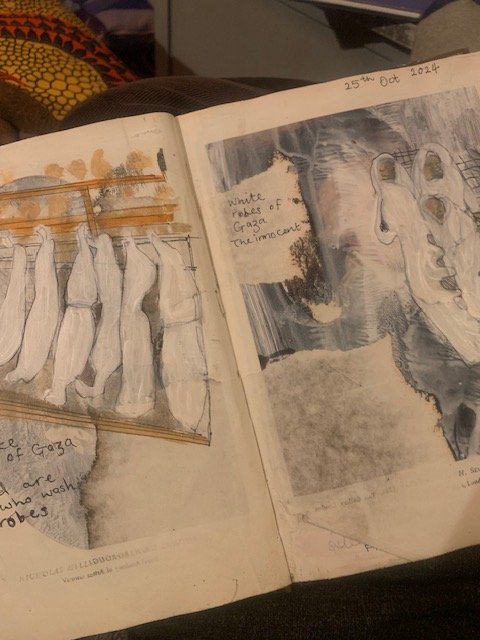
In October 2024 I decided to draw a picture from the footage that was on my phone every day. The first thing that resonated with me were the white shrouds. I was reminded of words in ‘The Book of Revelation’ in the Bible:
Rev 6:11, “Then each of them was given a white robe and told to rest a little while longer until the full number of their fellow servants, their brothers, were killed, just as they had been killed.”
The first images I made were of the white shrouds, I sat looking at them, mulling over how precious is life. I felt prompted to post the pictures on my Instagram feed. I wanted them raw and obviously made from human hands, not AI. Reminded of Goya’s war prints, I wanted them as recordings for the present and future. The videos were hard to watch, but I felt like I was being a conduit, a sieve capturing the pain and grief of the moment. The brutality of the footage is something no one should have to look upon, let alone go through. Knowing people would look away and not be able to hold such horror prompted me to paint the images to make them more palatable.
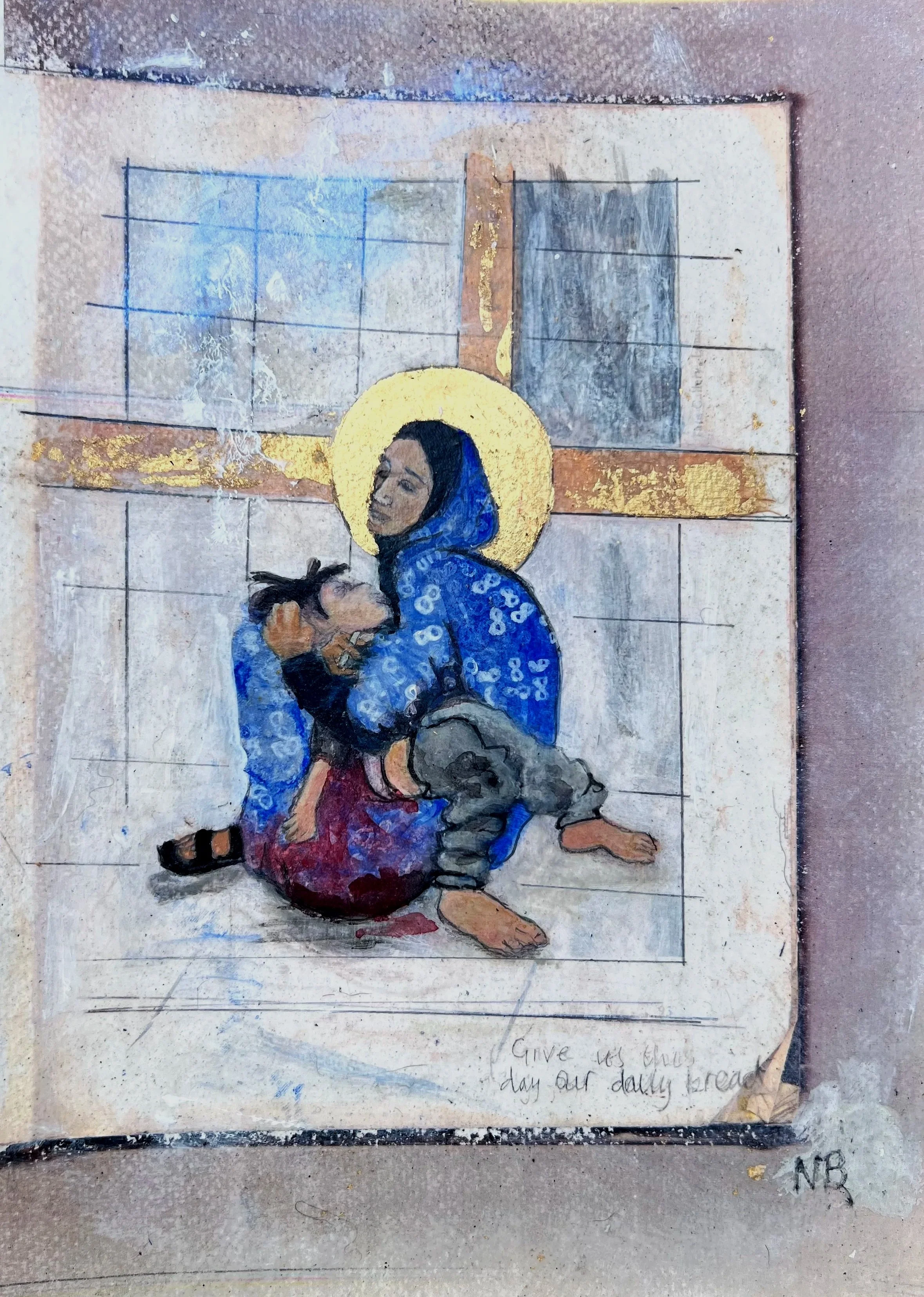
I wanted to hold the people that I painted, it felt like a sacred and holy endeavour. Keeping the paintings small and intricate, made them reminiscent of an illuminated book, and also small the way we look at the screen on a phone. The gold leaf indicating the sacred and preciousness of these people.
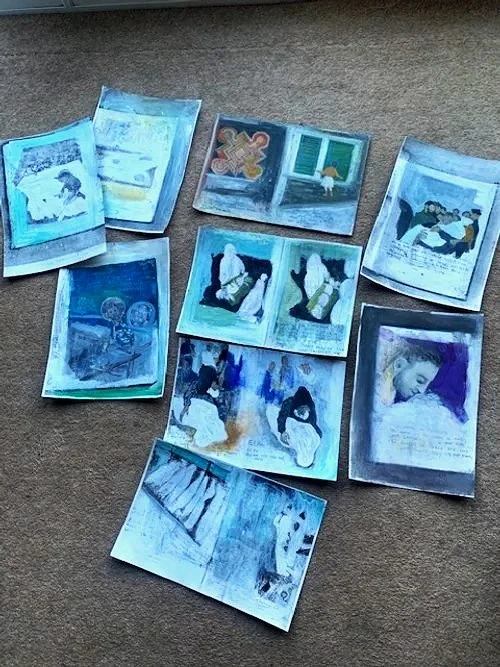
They were painted into a special sketchbook specifically for these images, and I worked on them religiously from October 2024 to the end of December 2024, at which point I didn’t feel able to, (at that stage) do anymore. But I knew I hadn’t finished, and that I would pick them up again at a later time. The later time was in June 2025 when I was asked to send them to Ireland to be part of group shows, to help raise money for food and medical supplies. Then the drawings in the book were photocopied onto individual pieces of watercolour paper and reworked with pencil, gouache, acrylic, mica and gold leaf .
-
![]()
facing the empire
-
![]()
grieving mother
-
![]()
laying down child
-
![]()
first drawings
-
![]()
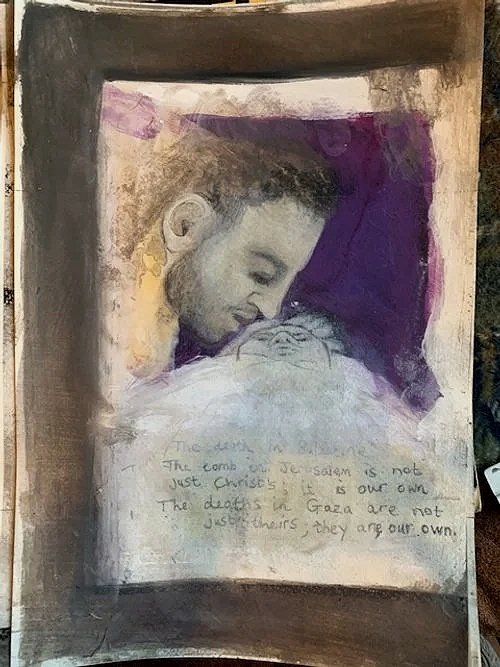
father over child
-
![]()
every life is sacred repeat
-
![]()
under the rubble, a boy and his cat
-
![]()
the death in Gaza, Christ each son
-
![]()
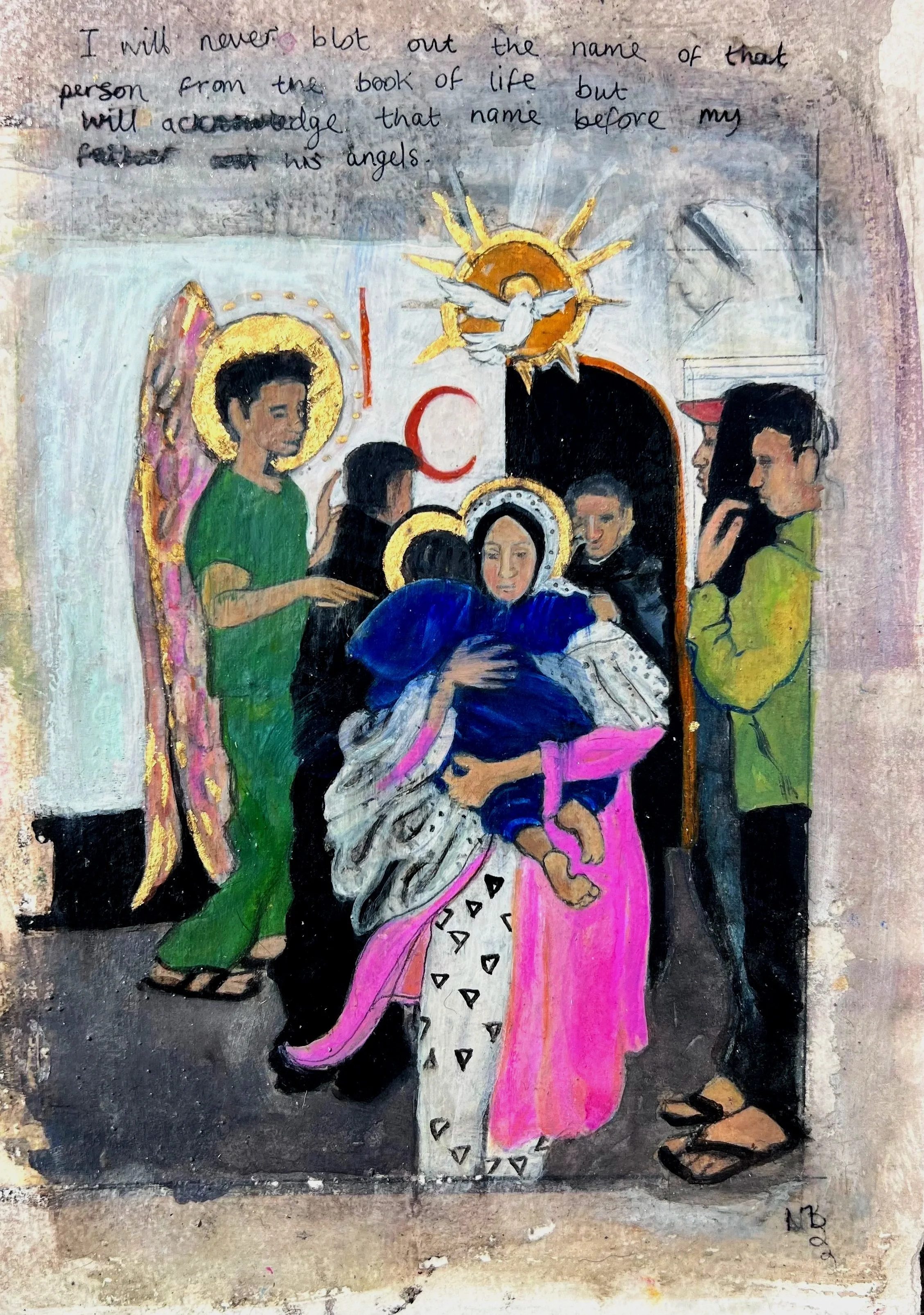
mother and child, an angel in scrubs with holy spirit and whistler's mother
-
![]()
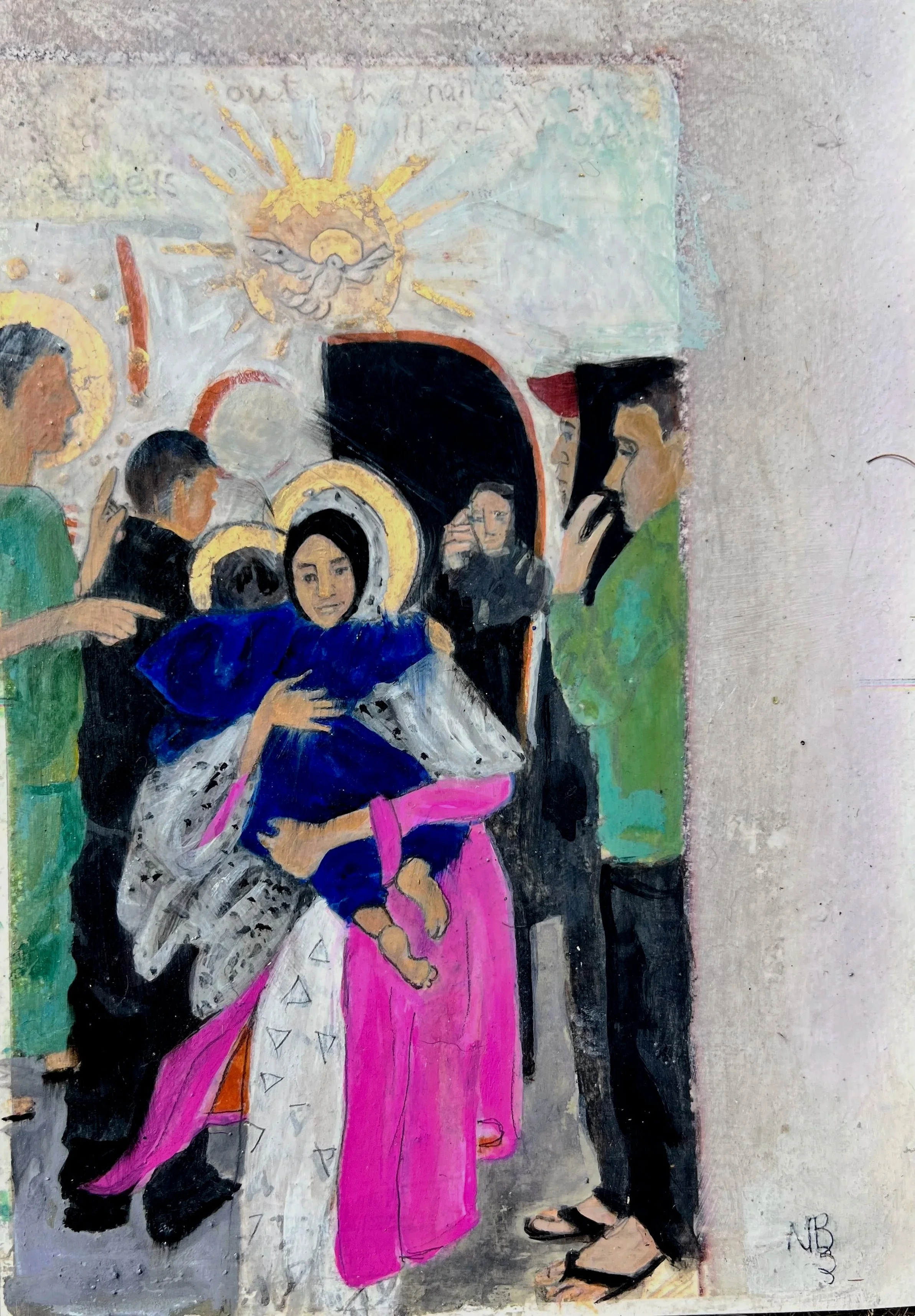
mother and child
-
![]()
42 alive
-
![]()
baby helping his father
-
![]()
who are those in white robes?
-
![]()
they will walk with me, dressed in white
-
![]()
white shrouds, precious life
-
![]()
A4 photocopies from the book and reworked
first part of the drawing book - Syrian refugees, 2015
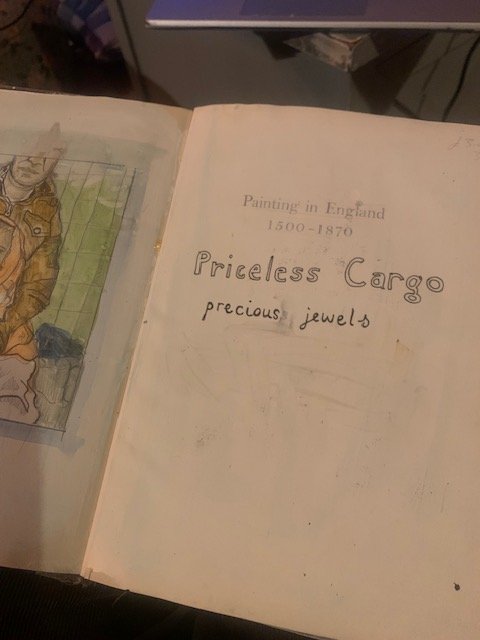
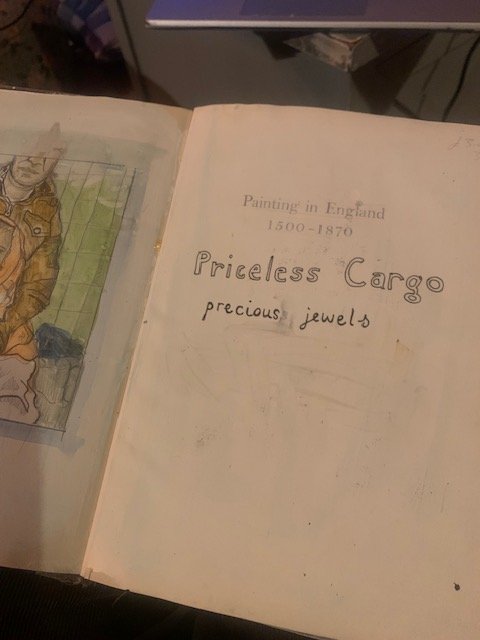
painting in England, 1500 - 1870
priceless cargo precious jewels
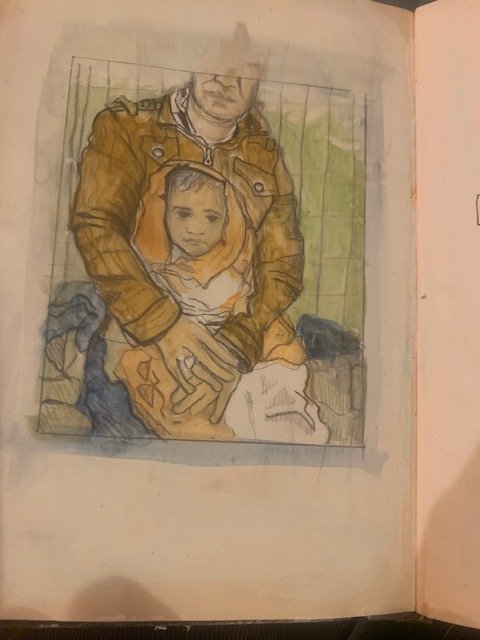
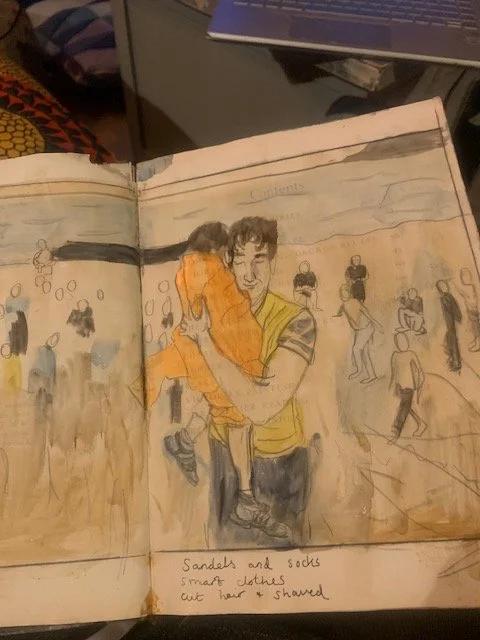
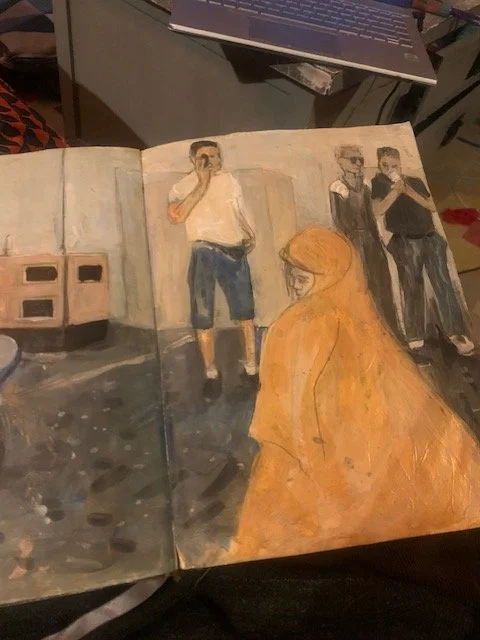
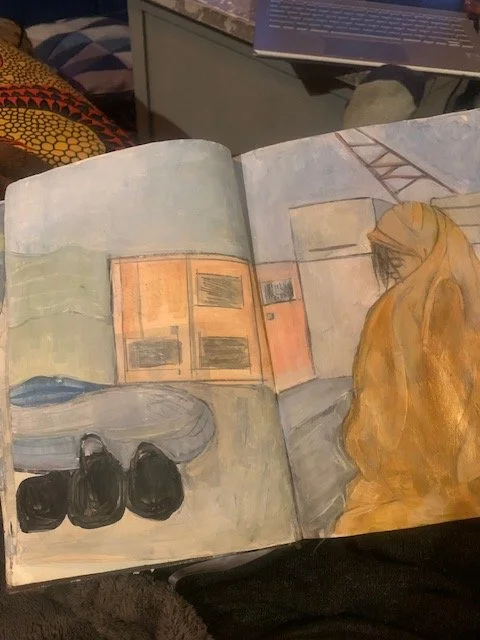
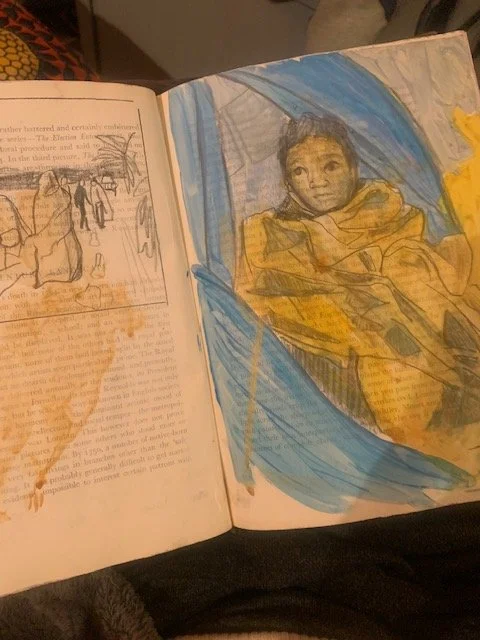
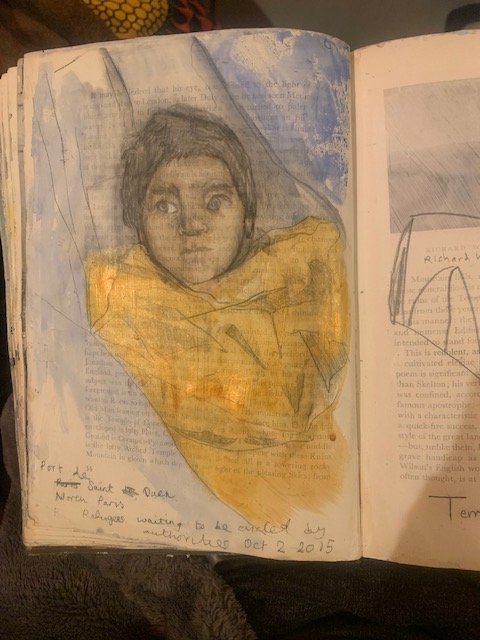
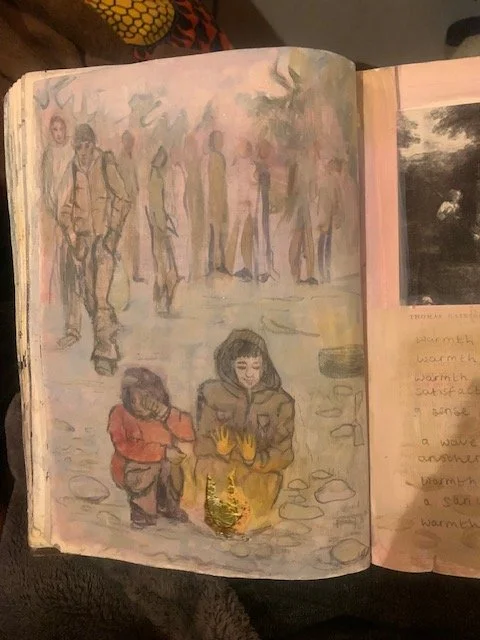
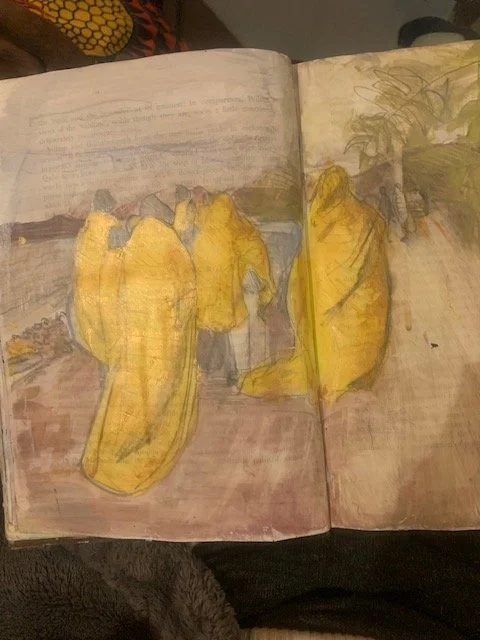
The Syrian refugee images are combined here with the Gaza images because they are in the same drawing book. I responded to the footage that we were seeing in 2015 as Syrian families were fleeing in perilous situations. There was an infamous image of a little boy, Alan Kurdi, lying dead on the beach.
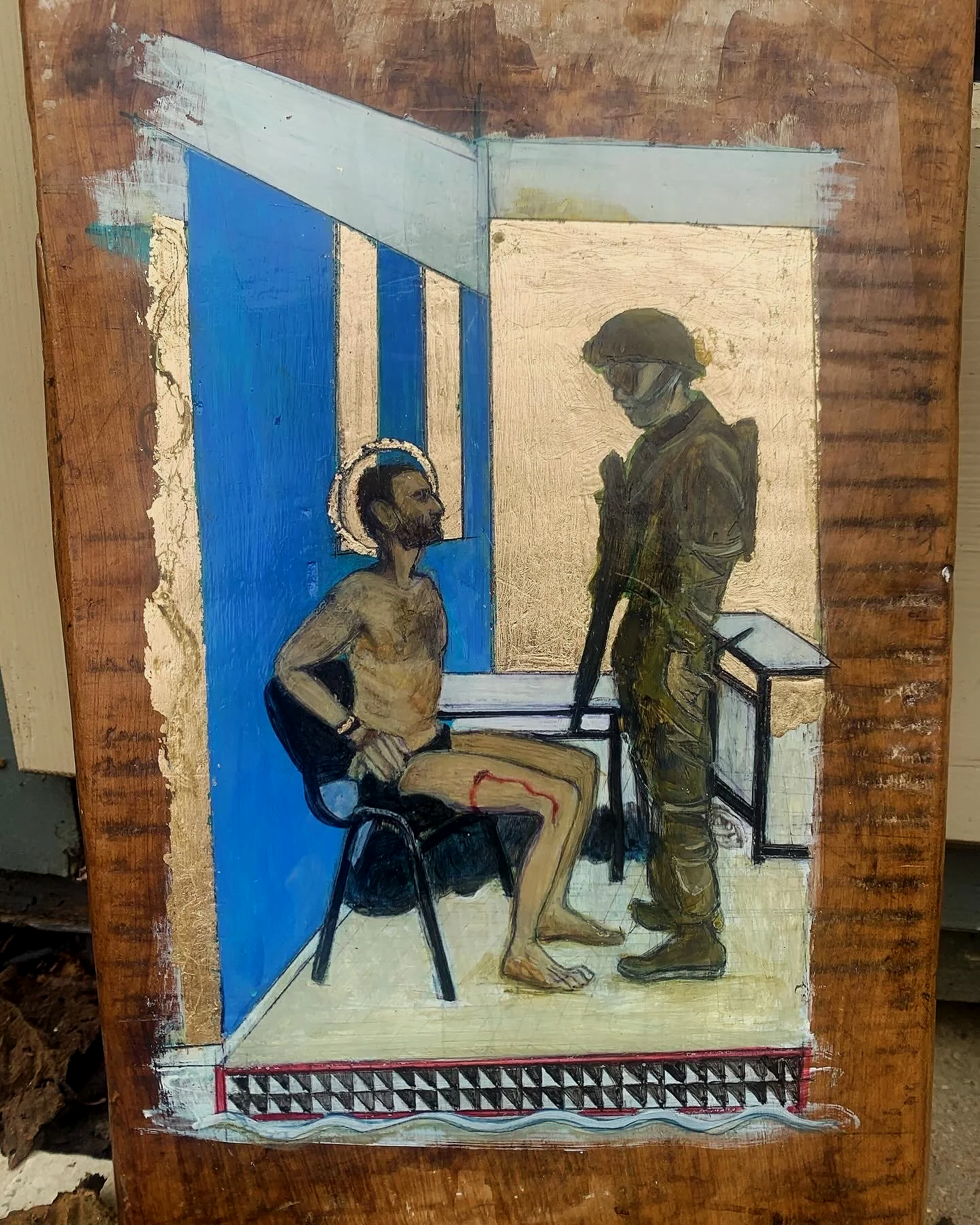
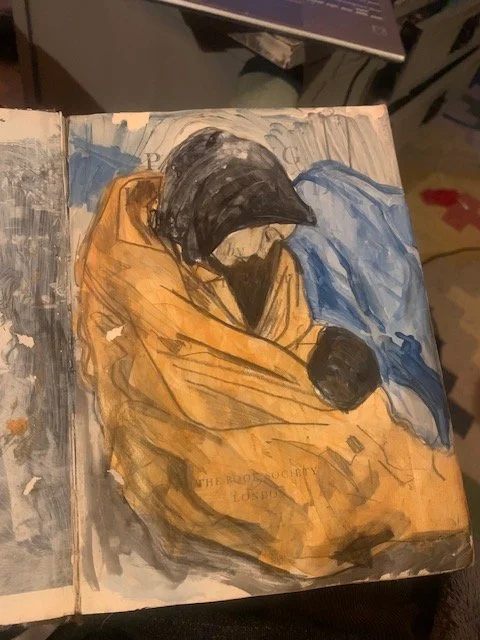
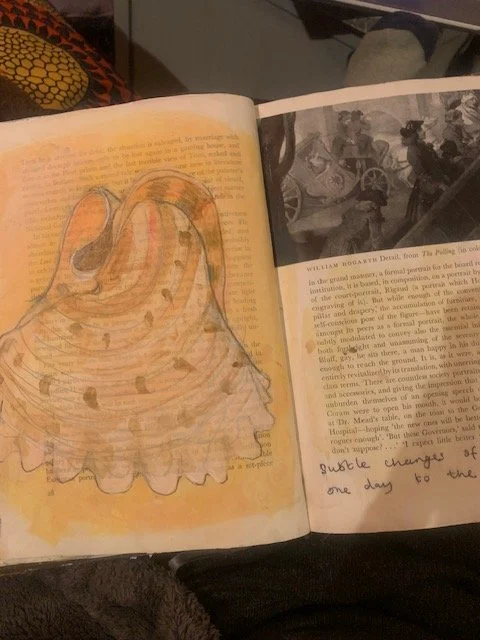
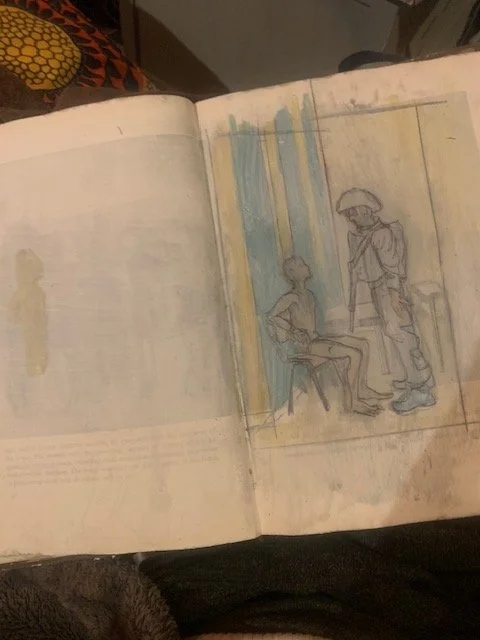
I was struck by the gold hyperthermia blankets wrapped around these human souls, and that’s when the term ‘precious cargo’ came to me, and reminded me of religious and illuminated pictures. That’s when I first thought about creating some icon type work, and started the book. Then as time went on the book was put to the side, until I saw the footage of the Palestinian man opposite an IOF soldier. I was again reminded of the a religious paintings, thinking of Christ on the cross being tortured.
-
![]()
painting in england 1500 - 1870
-
![]()
priceless cargo, precious jewels
-
![]()
from Stonehange
-
![]()
father and child
-
![]()
mother and child
-
![]()
Syrian families on the beach
-
![]()
girl covered with hyperthermic blanket
-
![]()
child refugee
-
![]()
shell
-
![]()
child in tent in Paris
-
![]()
child in tent
-
![]()
staying warm
-
![]()
Greece island
-
![]()
seven years later
second part of the book - Gaza drawings
The first sketches in this book were of the Syrian refugees that filled the news feed in 2015, until I picked it up again seven years later with some sketches for ‘facing the empire,’ the image of the Palestinian man seated being tortured by the soldier standing in front of him.
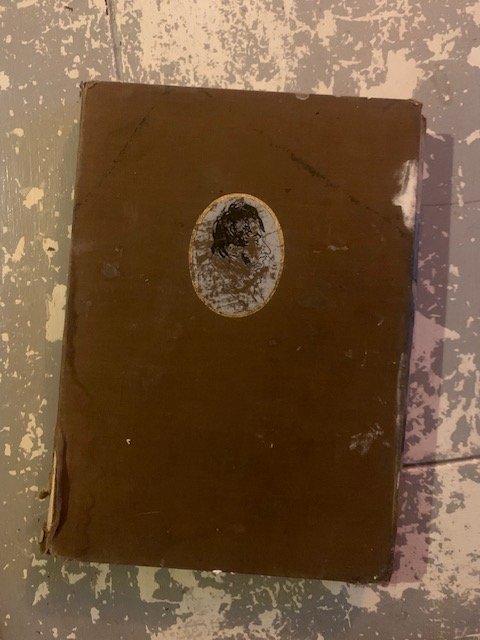
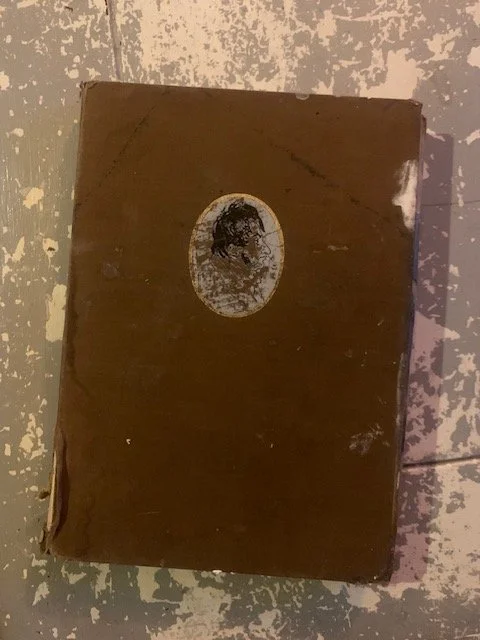
I like to find a book that I can re-work, the feel of it, the weight, and type of paper. To some it may seem like sacrilege to do this to a book, but books get thrown away. (Do we feel the same sacrilege at how a human is being treated?)
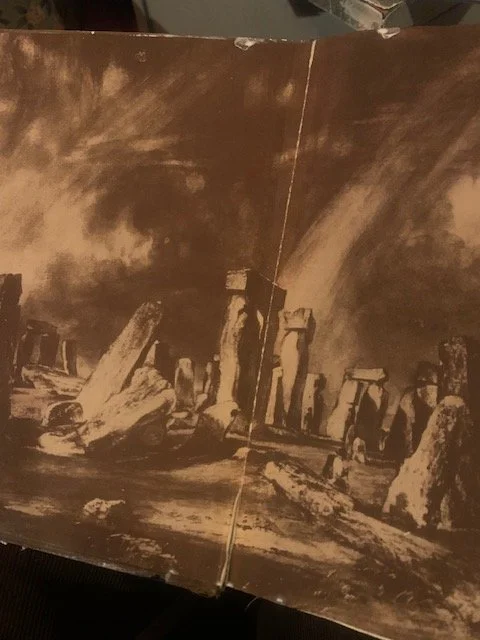
I consider the subject of the book. With this particular one, I used the history of English paintings as a backdrop to the work I placed on top. The historical colonial presence is fully connected to what is happening in the present.
Then paint over the pages with gesso before layering by painting and writing on top. I like to leave parts uncovered so that they become part of the images I’m working on, such as Whistler’s mother looking out from behind upon the scene of a mother holding her child.
‘Whistler’s mother’ in the background
-
![]()
white shrouds
-
![]()
el roi
-
![]()
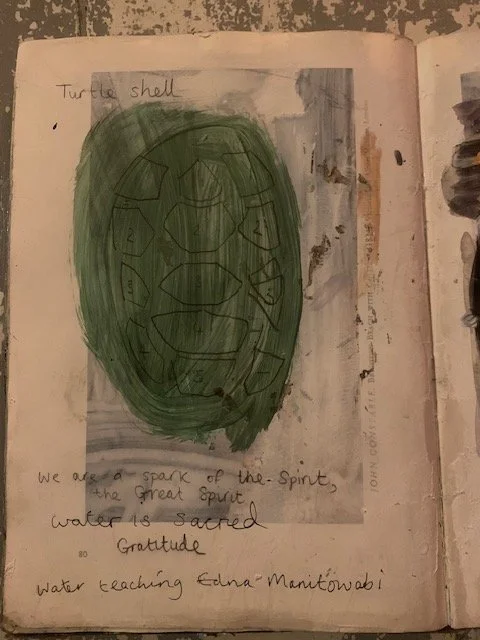
turtle island
-
![]()
father's grief
-
![]()
studies on mother and child
-
![]()
massacre of the innocents
-
![]()
a boy and his cat
-
![]()
after two years
-
![]()
a moment of joy, the lie of ceasefire
-
![]()
the first displacement
-
![]()
this is ceasefire, returning home to father's skull
-
![]()
book for drawing, painting in England
priceless cargo precious jewels
painting in England 1500 - 1870
The sketchbook of initial paintings in response to Gaza and Syria